Table of contents
You followed the checklist, booked the tickets, and still the trip unraveled, because travel planning is full of traps that look harmless until you are standing in the wrong terminal, paying surge prices for a hotel you never meant to reserve. In recent months, consumer groups and insurers have repeated the same warning as post-pandemic demand stays high: the most expensive travel mistakes are often administrative, not adventurous. The good news is that misadventures are predictable, and prevention is usually cheaper than repair.
Airport chaos often starts at home
Who hasn’t felt that little jolt of panic at the gate? The most common “airport disaster” stories are not about storms or strikes, but about paperwork, timing, and misread rules, and they typically begin days before departure, when travelers assume that a passport, a screenshot, and good intentions will be enough. Airlines have tightened enforcement of document checks, partly because fines for transporting passengers without the right entry permission can be heavy, and that translates into a brutal reality at check-in: if your name is wrong, your visa is missing, or your ID is expired, you may not fly.
Data from the International Air Transport Association has repeatedly pointed to passengers arriving unprepared as a key driver of disruption at the airport, especially during peak periods, when queues amplify every small error. Add low-cost fare rules that charge for changes, and a small typo becomes a costly lesson. A frequent offender is the mismatch between the booking name and the travel document, for example swapping first and last names, omitting a middle name on carriers that demand exact matches, or booking with an accent mark that is later “corrected” differently on another document. Another classic: underestimating how early you must arrive, because security and border control can fluctuate dramatically, and a 20-minute delay can cascade into a missed boarding in a way that feels almost unreal when you are watching the plane push back.
Then there is the quiet problem of “hidden” airport time, the part that never appears on the itinerary, because it is not glamorous: transfers between terminals, bag drop deadlines, security re-screening on connections, and the simple fact that boarding often closes 15 to 20 minutes before takeoff. When planning goes wrong, it is usually because someone built a schedule with no slack, treating air travel like a train ride, and that assumption is rarely rewarded. The fix is boring but effective: verify entry requirements on official sources, double-check names and document validity, arrive early enough to absorb surprise queues, and keep essential information accessible offline, because Wi‑Fi and battery life fail at the worst moment.
The “cheap deal” can turn expensive
That fare looked irresistible, didn’t it? Misadventures often begin with the thrill of a bargain, and end with travelers discovering that the total price includes fees they never anticipated, because the cheapest options frequently shift risk and cost onto the passenger. This is not just a matter of paying for a suitcase; it can involve seat selection, carry-on dimensions, airport check-in charges, changes to dates, and strict cancellation policies, all of which can turn a low headline price into a higher final bill than a more flexible ticket would have cost.
Industry figures underline the scale of this phenomenon. The global airline sector has leaned heavily on ancillary revenues, with analysts at IdeaWorksCompany and other trackers estimating tens of billions of dollars annually generated by add-ons such as baggage, seat fees, and priority services. The numbers are not merely abstract: they reveal a system designed to keep the base fare attractive while monetizing the most common traveler needs. For families, the impact can be sharper, because seating together, checked bags, and schedule changes are more likely, and each “optional” extra becomes close to mandatory in real life.
Lodging can be just as deceptive. Dynamic pricing means nightly rates can jump quickly around major events, weekends, and school holidays, and cancellation terms may differ widely even within the same property. A common planning misadventure is booking a “non-refundable” room to save a little, then watching plans shift because of a delayed flight, a sick child, or a last-minute work obligation. Another is underestimating taxes and resort fees, or overlooking security deposits that tie up funds for days. In crowded markets, travelers also report being lured by listings that look central, only to realize they are far from the attractions, and the money saved on the room disappears into daily transport costs.
The practical defense is to build a “true cost” habit: read fare conditions, simulate the trip with the add-ons you will realistically need, compare flexibility, and, for lodging, scrutinize what is included, what is due at check-in, and what happens if plans change. If the deal still wins on total value, take it, but do it with open eyes rather than adrenaline.
Bad itineraries create preventable stress
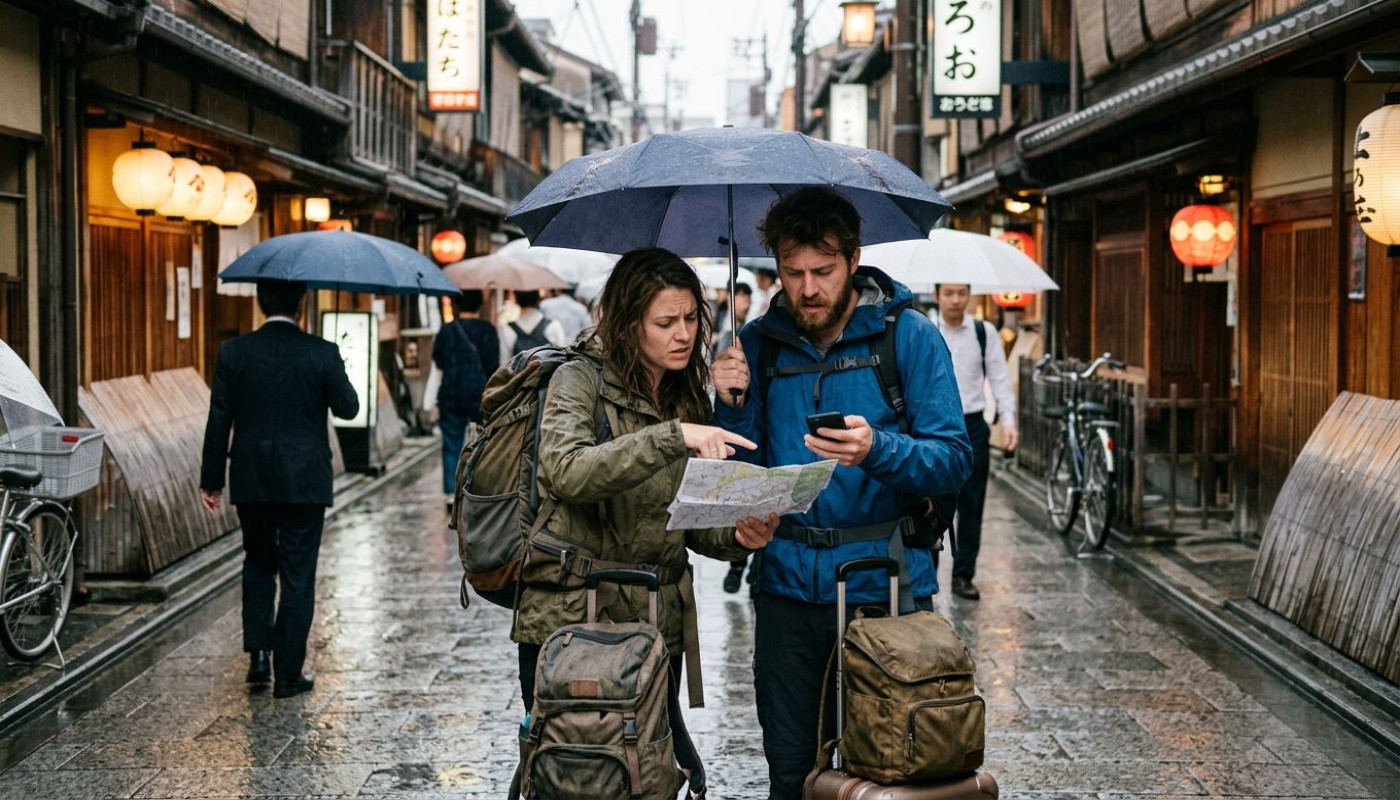
Two cities in one day sounds heroic, until it feels like punishment. The internet rewards ambitious itineraries, but real travel punishes them, and some of the most memorable misadventures come from schedules built for photos rather than human limits. Overpacked days make minor disruptions catastrophic, because a missed train, a closed museum, or a late meal can collapse the whole plan, and the traveler spends more time reacting than experiencing. This is especially true in Europe, where distances can look deceptively small on a map, and where transport networks are excellent but not immune to strikes, maintenance, and peak-hour crowding.
Belgium is a good example of a place where travelers can be tempted to overplan, because major highlights sit close together, and day trips appear easy on paper. Brussels, Bruges, Ghent, and Antwerp can all fit into short stays, but fitting them in well is different from squeezing them in. The misadventure pattern is familiar: travelers land, rush to the center, drop bags late, then try to cover a museum, a historic district, and a long dinner in one evening, only to discover fatigue kills curiosity. The next day, the “early” train is missed, queues stretch, and suddenly the famous square is glimpsed between apologies and timetable checks. The city becomes a background for logistics rather than a place with texture.
Better planning is not about doing less, it is about leaving room for life. A workable itinerary includes buffers for transit, food, and the unexpected, and it recognizes that the most satisfying moments are often unplanned, a neighborhood market, a local café, a viewpoint found by accident. Travelers who want a coherent Brussels base, and who prefer to avoid stitching together fragmented tips from dozens of posts, often turn to a structured guide that lays out realistic routes, time estimates, and priorities, and one such starting point is https://www.brussels-trip.com/, which helps translate “things to do” into a schedule that a tired, hungry human can actually follow.
The key is to plan like an editor: pick the strongest scenes, cut the filler, and accept that leaving something for next time is not failure, it is a reason to return. When misadventures do happen, a calmer itinerary also makes recovery easier, because there is time to reroute without sacrificing everything.
When technology fails, panic follows
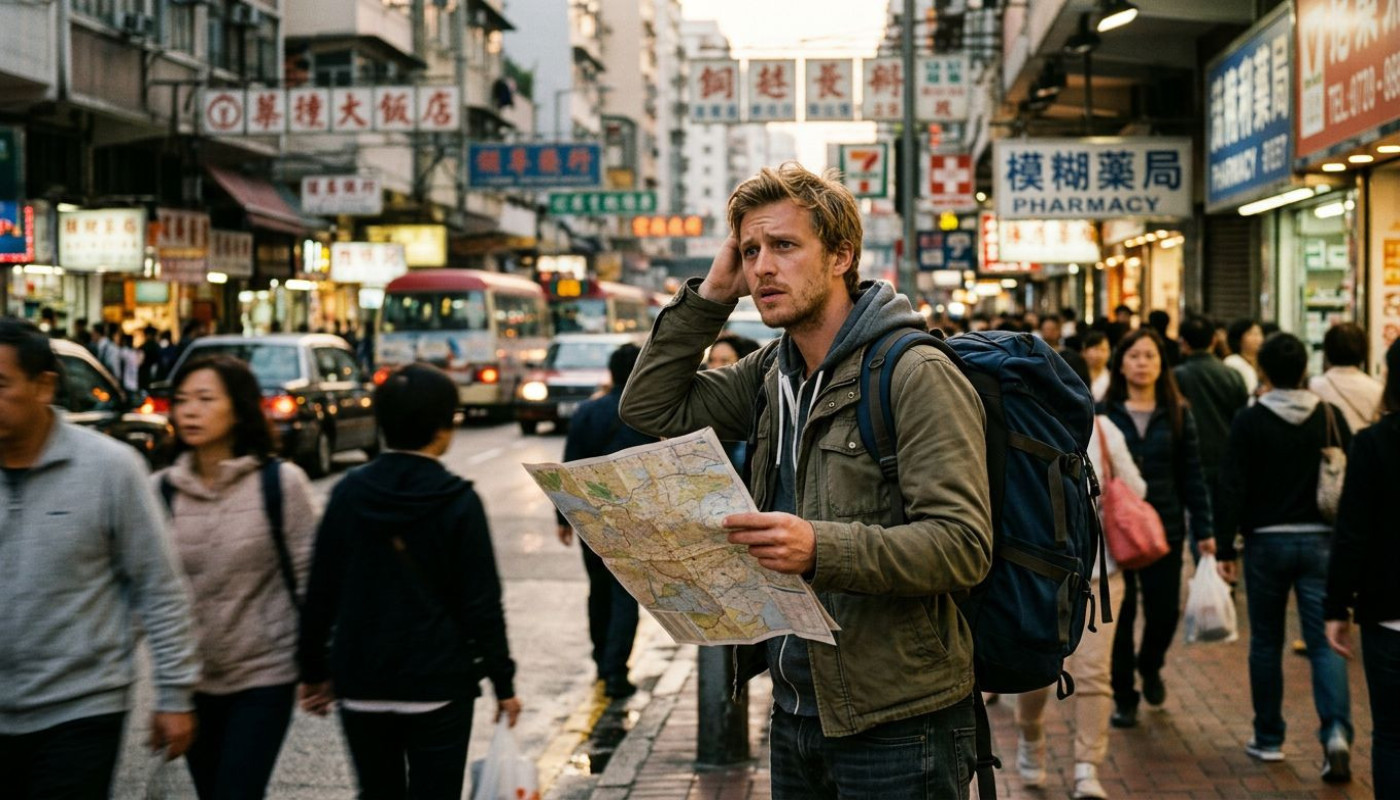
What if your phone dies mid-journey? For all the convenience of digital travel, a surprising number of planning disasters now begin with an app, a battery, or a login issue, because travelers have outsourced critical information to devices that can fail, be lost, or be stolen. Boarding passes, hotel confirmations, maps, translation tools, transit tickets, and even payment methods often sit behind a screen lock, and when that screen goes dark at the wrong time, stress spreads quickly, especially in unfamiliar places.
Cybersecurity experts and police agencies have also warned about travel-related scams that target tourists through public Wi‑Fi, QR-code traps, and fake listings, and the victims are often the people who thought they were being efficient. A common misadventure: scanning a QR code at a tourist spot to “buy tickets,” then discovering a suspicious payment page, or booking accommodation through a cloned site that mimics a real property. Another: relying entirely on a single navigation app, only to find it inaccurate in dense urban streets or when roaming fails, and suddenly the “ten-minute walk” becomes a long detour with luggage.
Financial friction adds another layer. Contactless payments are widespread, but cards can be blocked by fraud systems, daily limits can be hit, and foreign transaction quirks can surprise even seasoned travelers. When this happens late at night, with a hotel deposit due, it becomes a true crisis. The simplest hedge is redundancy: keep a small amount of cash, carry at least two payment methods, and store key numbers securely. For documents and reservations, download offline copies, save PDFs, and, yes, print the essentials, because paper does not run out of battery. It also helps to separate what you need on the move from what you can retrieve later, keeping immediate essentials accessible without digging through email threads.
Technology is still a powerful ally, but travel planning misadventures show a clear pattern: the more “single point of failure” your trip has, the more likely you are to end up improvising under pressure. Build in backups, and the same tools that cause panic in one scenario become genuine freedom in another.
Before you go: spend smarter, stress less
Book transport and lodging early when calendars are tight, and keep a realistic buffer in both time and budget. Price in add-ons, plan for local transit, and consider travel insurance if your trip is expensive or inflexible. Check whether your destination offers museum passes or public-transport bundles, and reserve timed entries when demand spikes, because the best fix for a planning misadventure is preventing it.
Similar