Table of contents
What turns a place from “seen” into “felt”? In 2024 and 2025, tourism boards from Japan to Portugal have leaned hard into “experiences” as travellers, squeezed by inflation and time, prioritise memorable moments over generic checklists. The trend is measurable: across major review platforms, activity-driven itineraries consistently draw higher satisfaction scores than transport-and-hotel packages alone. The destinations that stick are often the ones where you do something specific, local, and a little surprising, and where the memory has a texture, a smell, a sound.
Experiences now shape where people go
Not every journey starts with a flight search anymore, and that shift is reshaping the travel economy. Industry surveys have repeatedly shown that “activities and experiences” rank among the top drivers of destination choice, a reality reflected in the numbers of the global tours-and-activities market, which multiple research firms project in the hundreds of billions of dollars annually, with steady growth expected through the decade. The logic is simple: accommodation has become easier to compare, airfare remains volatile, and social media rewards the story you can tell, not the hotel lobby you walked through.
What does that mean on the ground for travellers? It means the most impactful planning question is often not “Which city?” but “What will I actually do there?”, because two days with a great guide, a food-focused walk, or a wildlife morning can outperform a week of rushed highlights. It also explains why destinations are packaging experiences as identities: Helsinki sells sauna culture, Oaxaca sells cooking and craft, Iceland sells geothermal immersion, and coastal regions everywhere sell some version of “sunset on the water”, even when the real differentiator is the people you meet and the micro-moments you collect.
The winners are often places that make participation easy, with clear logistics and well-run operators, and the traveller’s reward is immediate: you come home with concrete memories, not just photos. A morning market tour delivers a vocabulary of flavours, a hands-on workshop leaves you with a physical object, and a hike with a local guide turns a landscape into a narrative. The further you lean into those human-scale activities, the more a destination stops being an abstract point on a map and starts feeling like somewhere you belonged, even briefly.
Food, first: the fastest route to place
Want to understand a destination in hours? Start by eating like someone who lives there, because food is one of the few experiences that compresses history, geography, migration, and climate into a single table. Culinary travel has exploded not only in fine dining capitals but in smaller regions where street stalls, home kitchens, vineyards, and fishing harbours offer something more intimate than a museum label. The appeal is also practical: a food-focused activity works in any weather, fits almost any fitness level, and creates natural conversation, even for solo travellers.
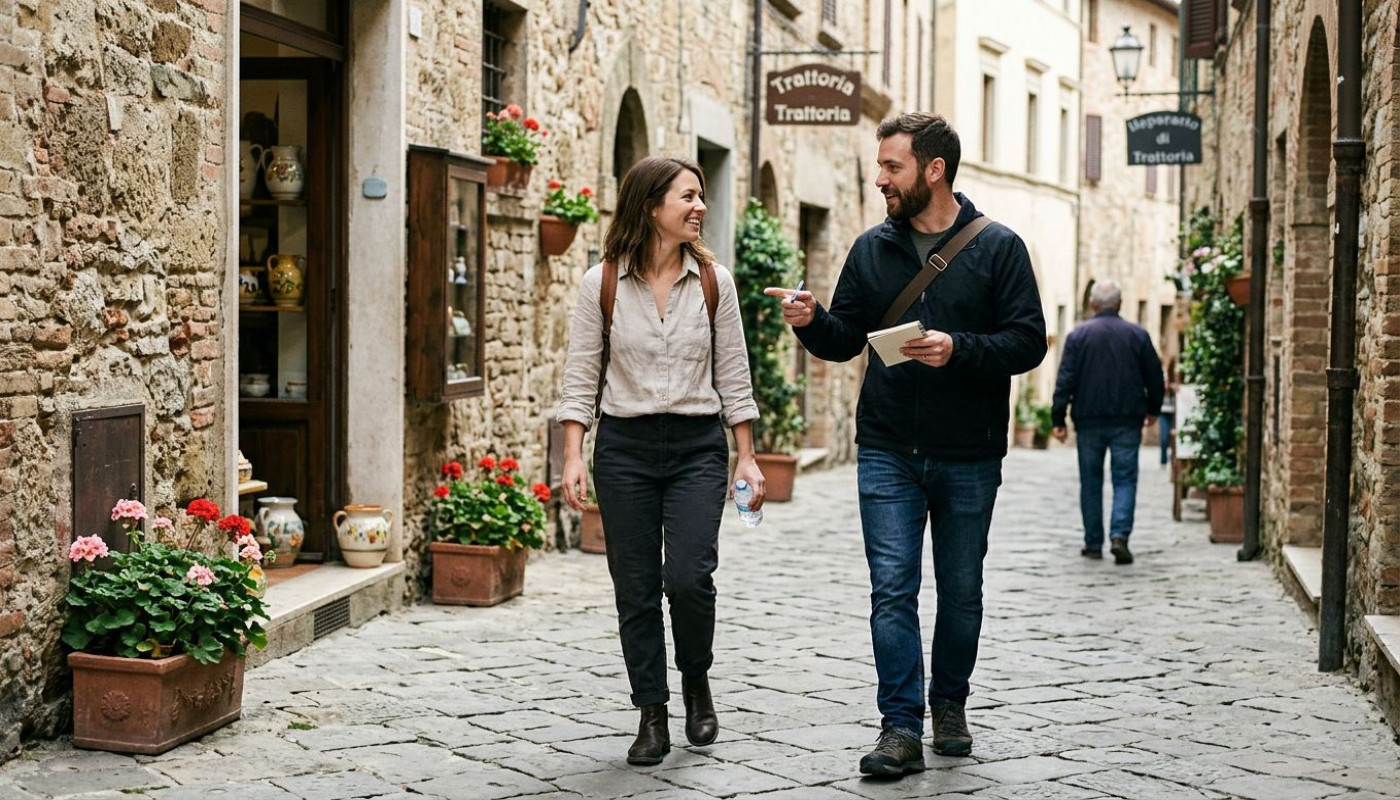
The most memorable formats tend to be the ones that put travellers close to production, not just consumption. Market walks with a cook, for example, turn “local ingredients” into something specific: the herb you’ve never smelled, the fruit that only appears for a few weeks, the spice mix whose proportions vary by neighbourhood. Cooking classes succeed when they are rooted in daily life, with a family recipe, a clear explanation of technique, and enough time to sit down and eat; they fail when they feel like a conveyor belt for tourists. The difference is visible in reviews: travellers consistently reward authenticity, small groups, and hosts who can explain why a dish matters, not just how to assemble it.
There is also a growing appetite for “soft adventure” food experiences, from coffee tastings at origin to farm stays and seafood trips where the boat is part of the story. Even in major cities, a well-designed evening can feel like a journey: a guided street-food crawl that links a neighbourhood’s migration history to what’s on the grill, or a wine bar tour that decodes local appellations and explains why one slope tastes different from the next. For travellers trying to make a destination unforgettable, food is the shortcut, because it hits the senses directly, and it creates an emotional association you can recall instantly months later.
Nature on your schedule, not a postcard
There is a reason sunrise hikes, whale-watching, and forest walks keep climbing travel wish lists: nature experiences deliver the rare feeling that time slowed down. Yet the most memorable nature activities are not the most extreme, and they are increasingly built around access, safety, and ethics. Around the world, protected areas are tightening rules, limiting numbers, and professionalising guiding standards, a response to overtourism and to the simple fact that wildlife does not exist for photos. For travellers, that means planning matters, and the best moments often happen when you choose the right season, the right hour, and the right operator.
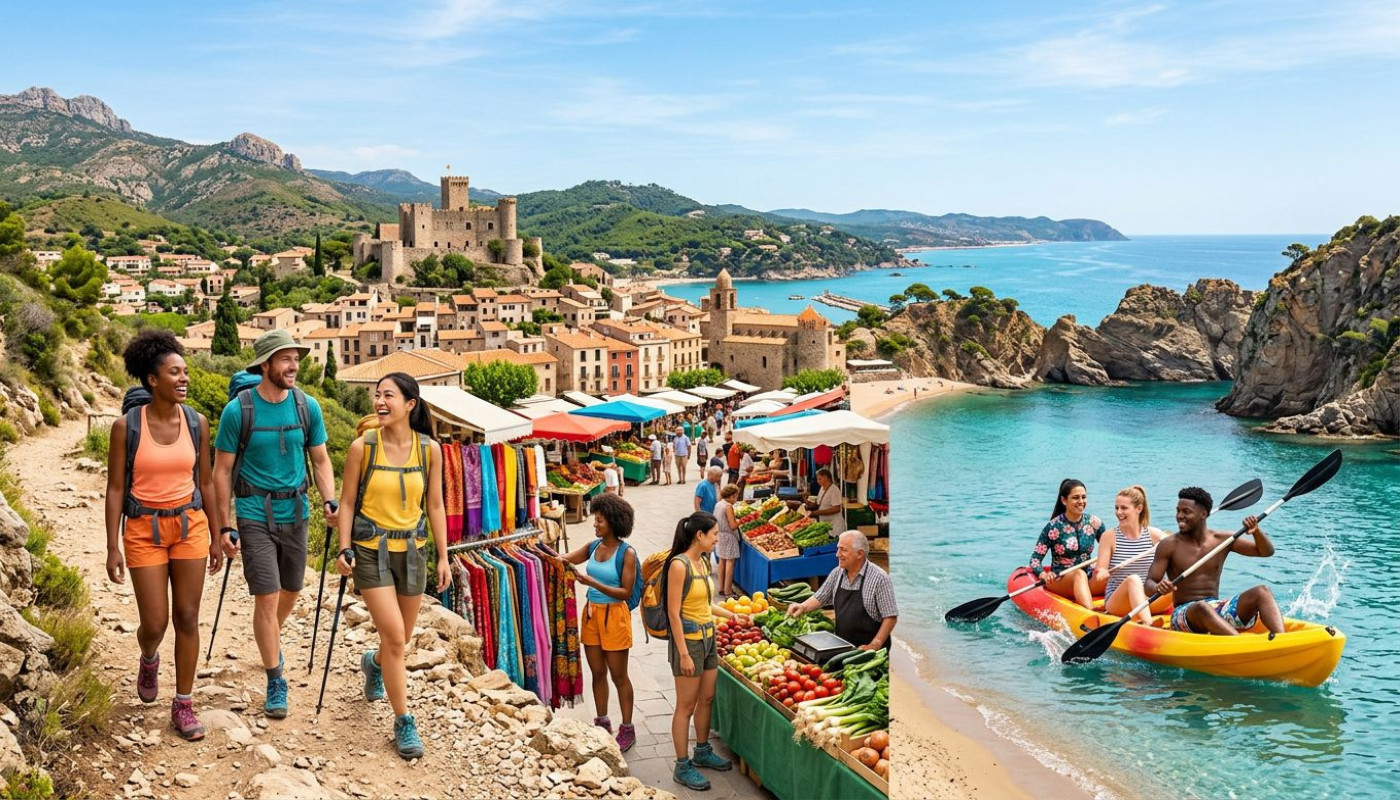
Consider how quickly a landscape becomes personal when you move through it with context. A guided walk that explains what you are hearing, why that bird is here now, how the forest was used historically, and what conservation pressures exist today turns scenery into a living system. The same is true on the water: kayaking with a naturalist, snorkelling where marine rules are enforced, or taking a small boat rather than a mass cruise can transform an outing into a lesson in place, not just an adrenaline spike. Travellers increasingly look for that balance, because “untouched” nature is a myth, and a responsible experience does not diminish the thrill, it deepens it.
Accessibility is also expanding. Many destinations now offer low-impact routes, boardwalks, and guided options designed for mixed abilities, and that opens the door to multi-generational travel where everyone shares the same memory. The most powerful nature moments are usually quiet: a late-afternoon light change, a sudden call in the trees, the smell of rain on warm ground. You do not need to be a mountaineer to feel them, you just need to give yourself the time, and to plan an activity that gets you out of the car and into the environment.
The itinerary glue: guides, crafts, and time
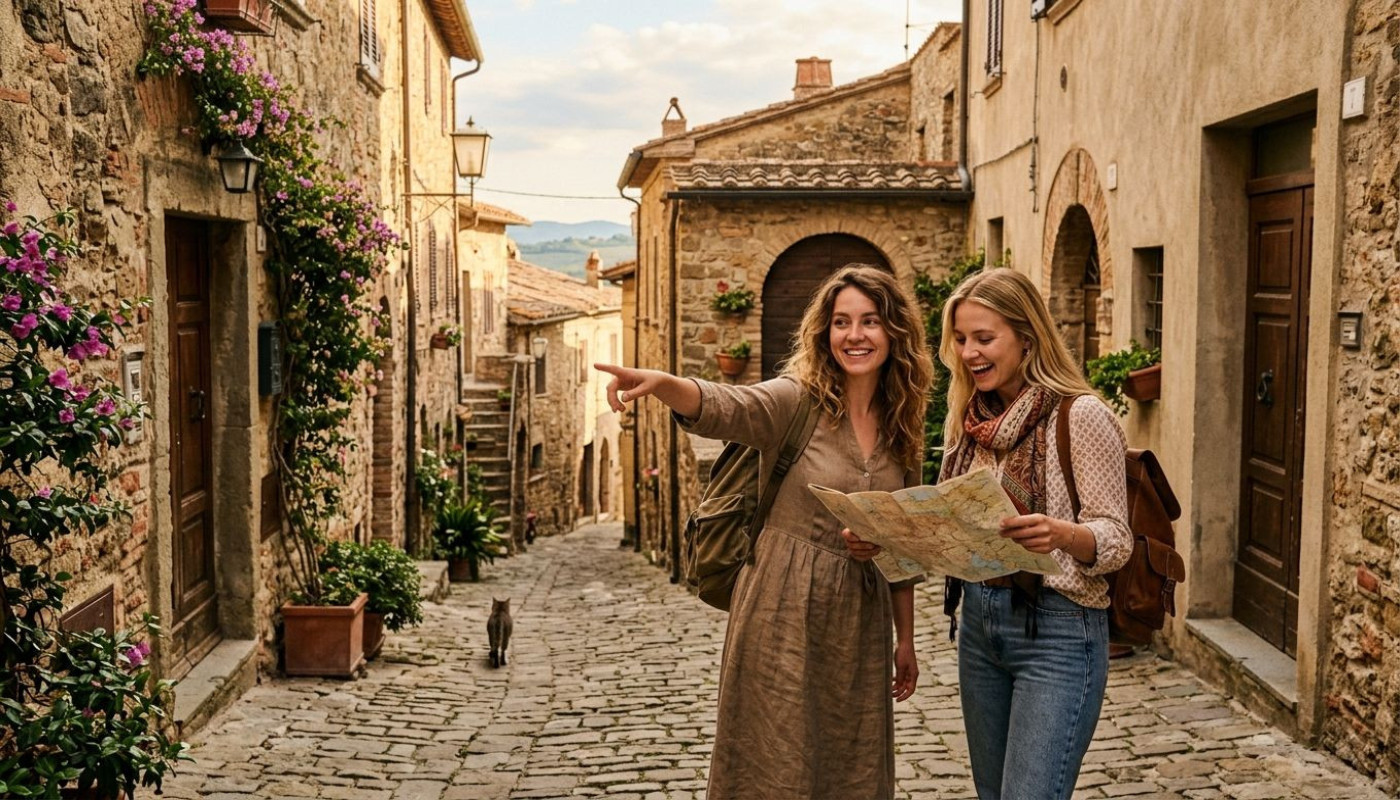
Big landmarks are easy to list, but the “glue” of a great trip is often found in the smaller experiences that connect them. A sharp local guide can change everything, because they translate a city’s rhythm, steer you away from the most crowded hours, and tell you what you are looking at in a way that sticks. Private guiding is no longer only a luxury product, and in many destinations, small-group tours have become the sweet spot, sharing costs while keeping the experience intimate. When travellers say a trip felt “effortless”, a good guide is often the invisible reason.
Craft experiences are another underestimated anchor for memory, because they replace passive consumption with participation. Pottery, weaving, printing, woodwork, and even music or dance sessions offer a rare kind of souvenir: a skill, a story, and something you made yourself. The best workshops respect local artisans’ time, pay fairly, and keep group sizes small enough for real instruction. They also help solve a modern travel problem: how to engage with culture without turning it into a performance. When done well, a craft session feels like an exchange, and the traveller leaves with a deeper understanding of labour, tradition, and local materials.
Planning tools matter, too. Travellers increasingly bundle logistics, guides, and activities in one place to reduce uncertainty, compare options, and secure limited slots, especially in peak periods. If you are building a trip around experiences, having a single hub to explore what is available and how it fits together can prevent a common frustration: arriving to discover that the most meaningful activities were fully booked weeks ago. For those mapping out experience-led itineraries, a well-organised web resource can make the difference between a good trip and a seamless one, because it keeps the focus on what you will do, not on what you might miss.
Before you book: turn moments into a plan
Lock in key activities early, especially wildlife, small-group food tours, and workshops with artisans. Set a realistic daily budget, and keep a buffer for transport and tips. Check local passes and seasonal discounts, and look for municipal or regional schemes that reduce entry fees. Reserve with clear cancellation terms, and build rest time into the schedule.
Similar